Assembly 01[01/05]
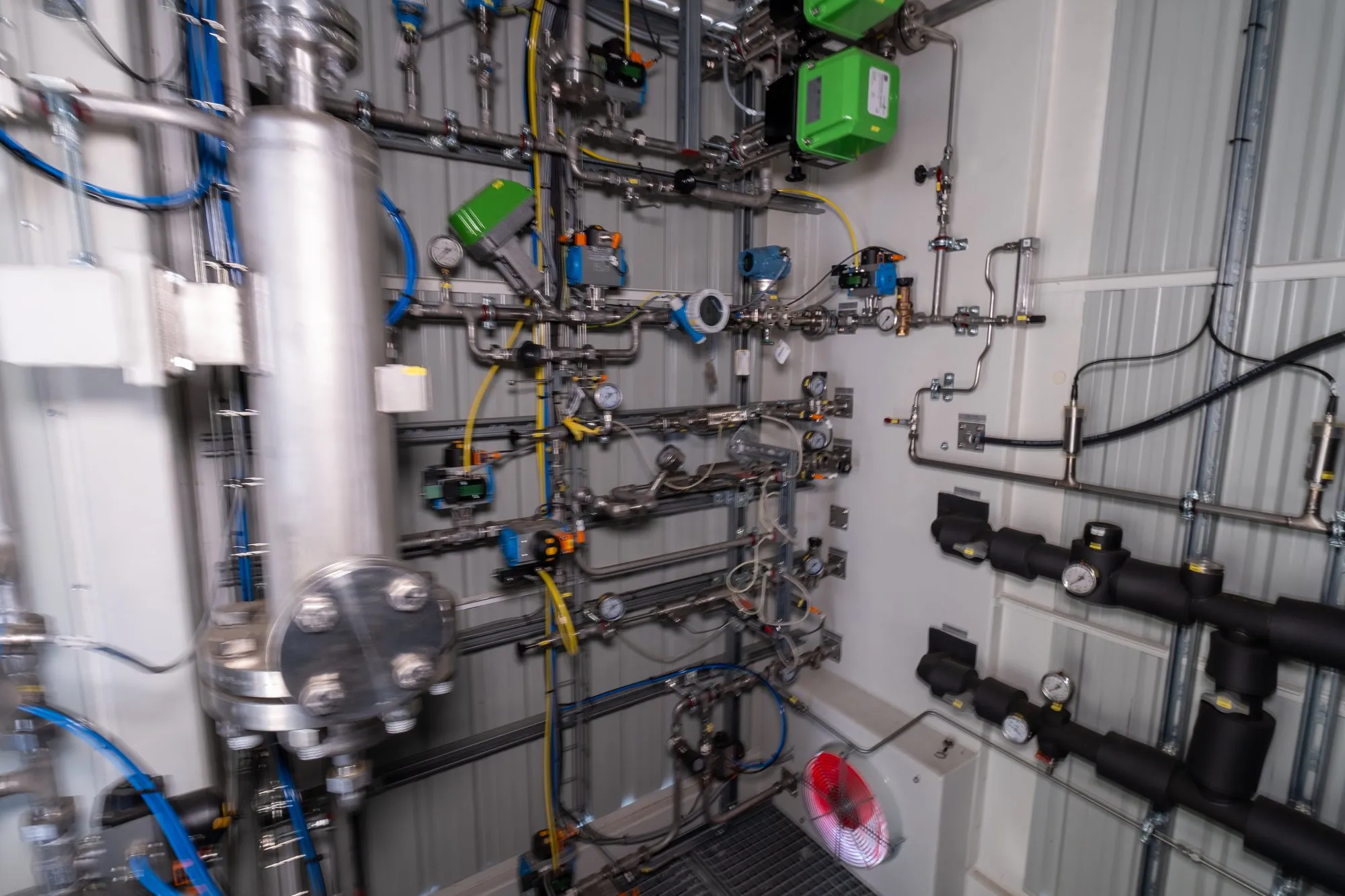
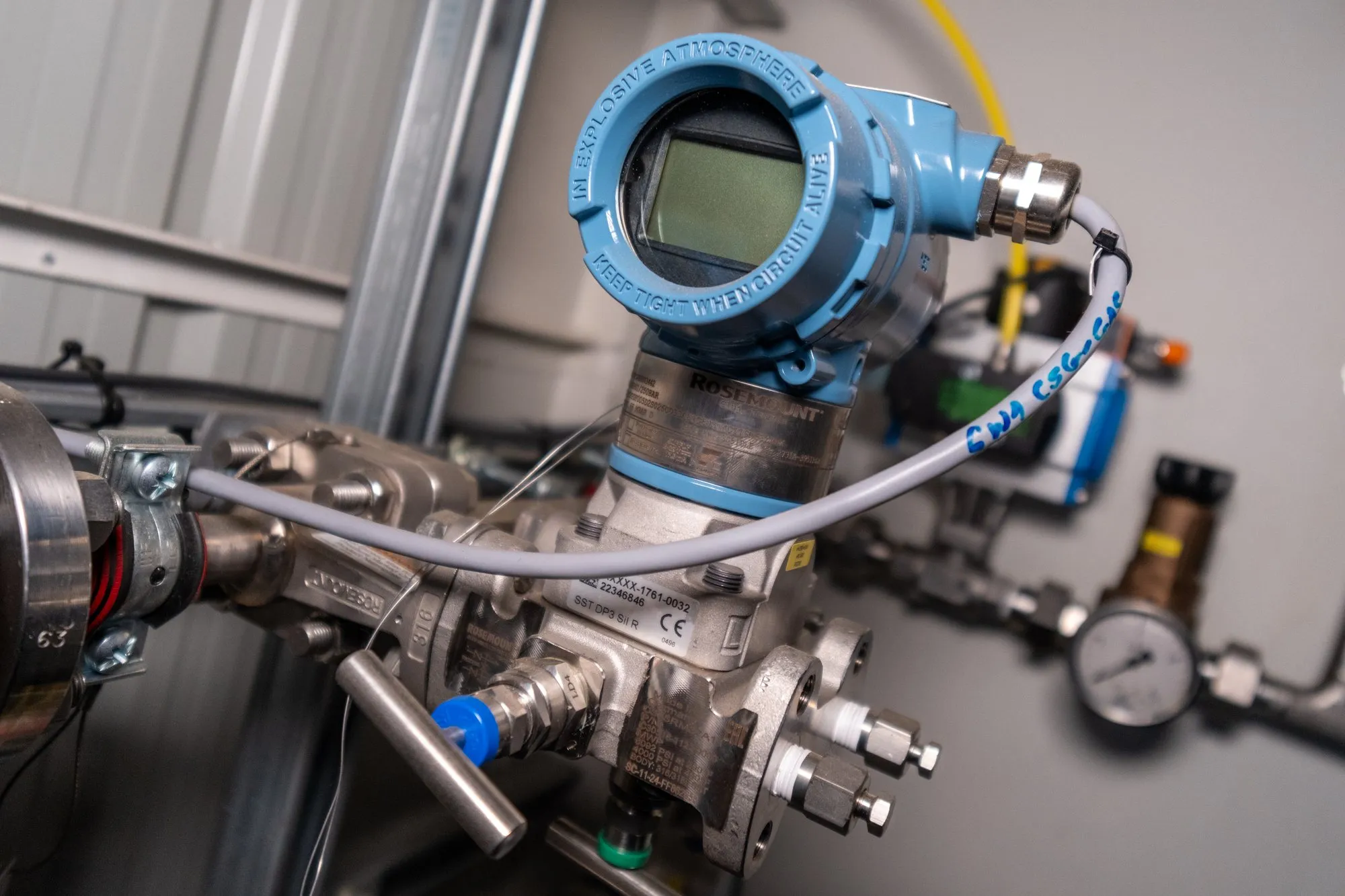
Gas handling
Doses the input gases in the right quantities, controls the plant pressure and monitors trace contaminants.
- Advantage
- Flexible gas routing for different input streams.
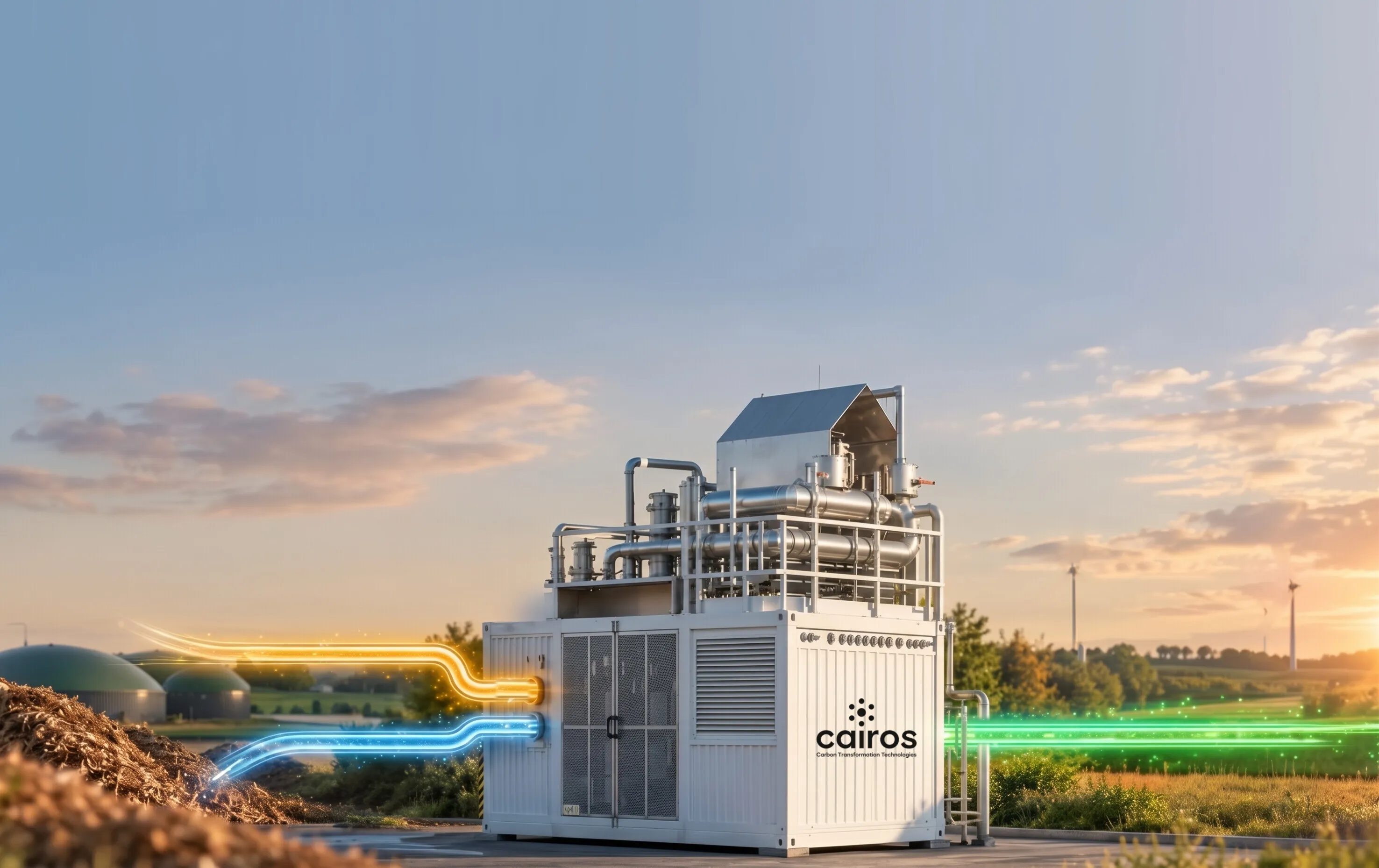
Wood residues, straw and other biomass can do more than just burn. We turn them into a gas that can be used just like natural gas.
We turn a greenhouse gas into a valuable raw material.
Our methane stores energy for the long term, regardless of weather or time of day.
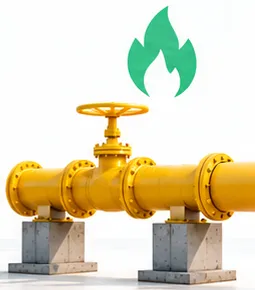
The methane we produce can be fed straight into the existing gas grid and used there.
A climate-friendly solution for companies, cities and entire regions.
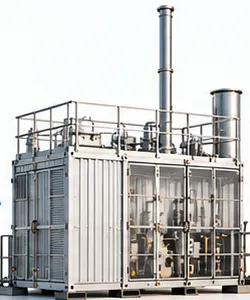
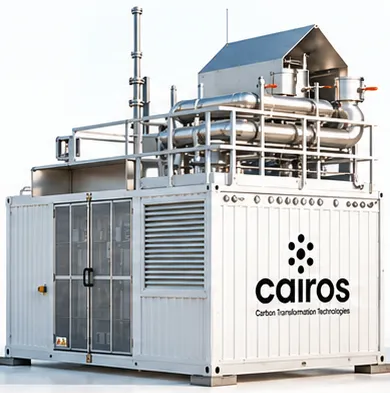
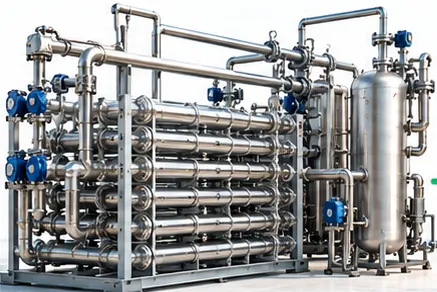
Wood residues, straw and other biogenic residues are converted into syngas in a gasification or pyrolysis plant. Our methanation converts the syngas with steam into a methane-rich gas. Once the CO₂ has been separated, the renewable gas can be fed into the existing gas grid and used in many ways.

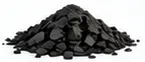 + Biochar(optional)
↔ Swipe sideways to see the whole process
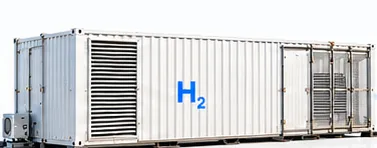
Besides biomass syngas, our reactor can also convert CO₂-rich gases, biogas or other residual gases into renewable gas using renewable hydrogen (H₂). This solution increases the methane yield and allows direct injection into the gas grid without CO₂ separation, because grid quality is reached directly.
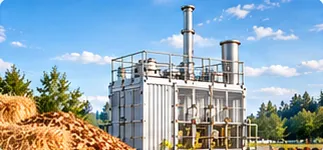
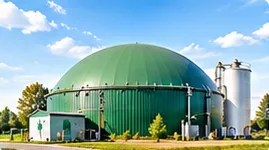
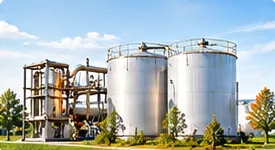
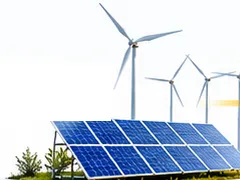
↔ Swipe sideways to see the whole process
A compact plant platform for renewable methane. Explore the five assemblies right in the CAD drawing.
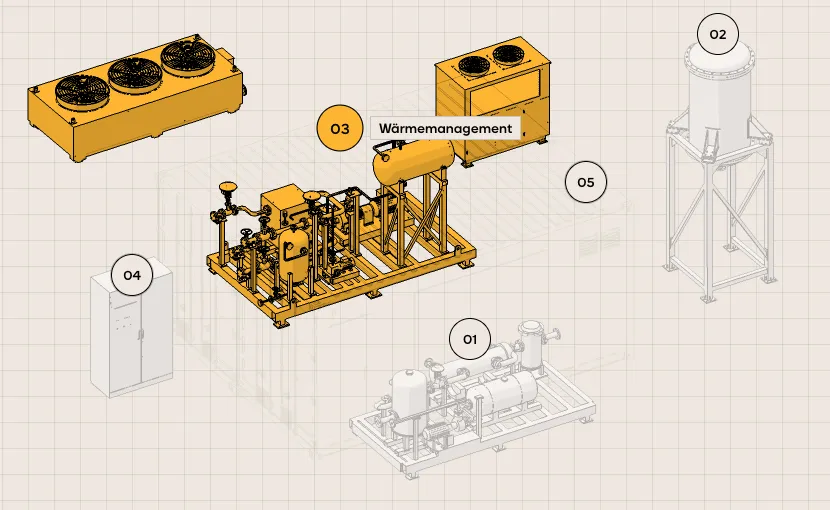
Click a number in the drawing or keep scrolling.Tap a number or keep scrolling.
Doses the input gases in the right quantities, controls the plant pressure and monitors trace contaminants.
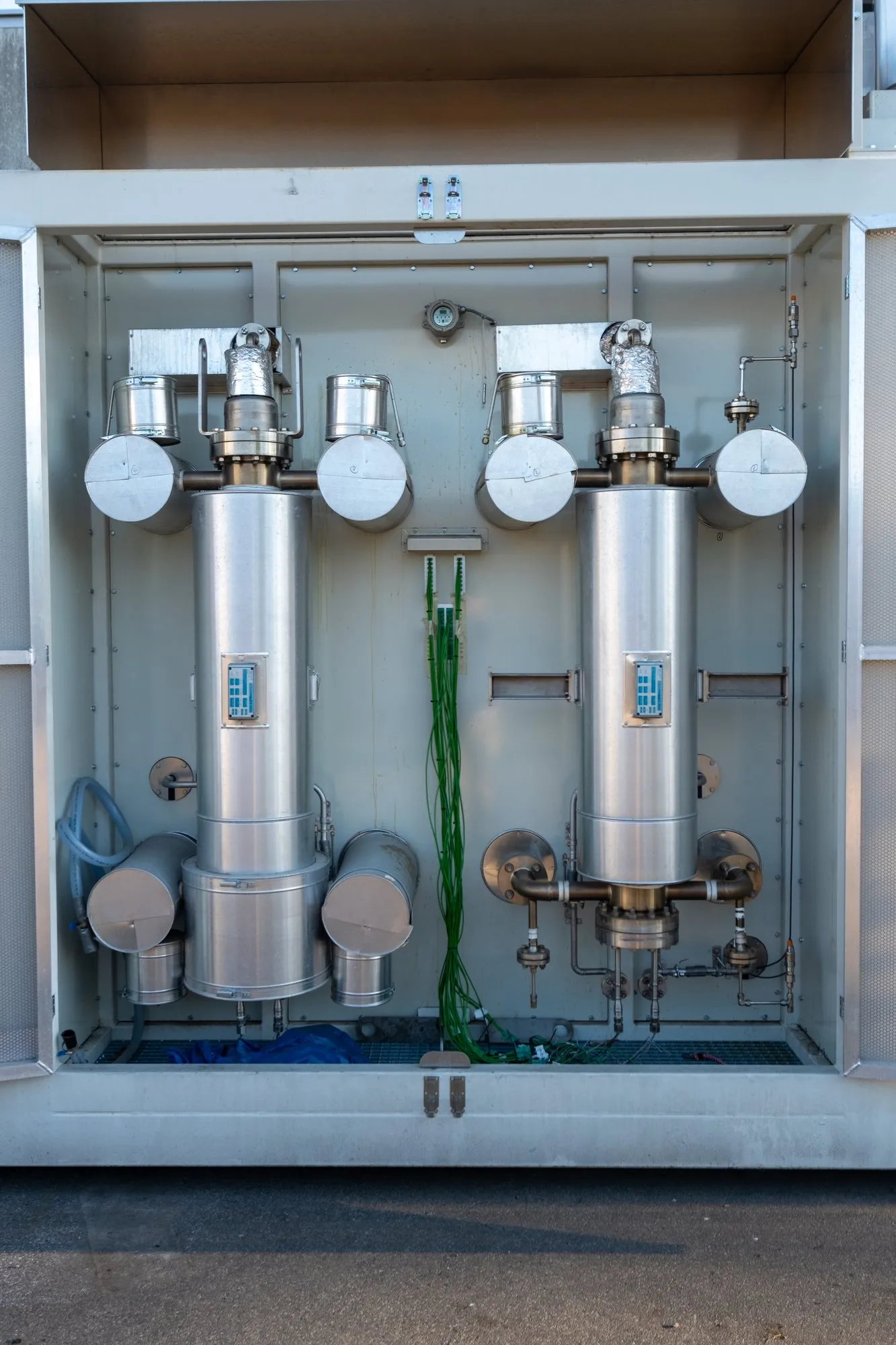
Thermal-oil-cooled catalytic tube bundle reactor. Controlled temperature management enables methanation and supports the conversion of complex gas mixtures.
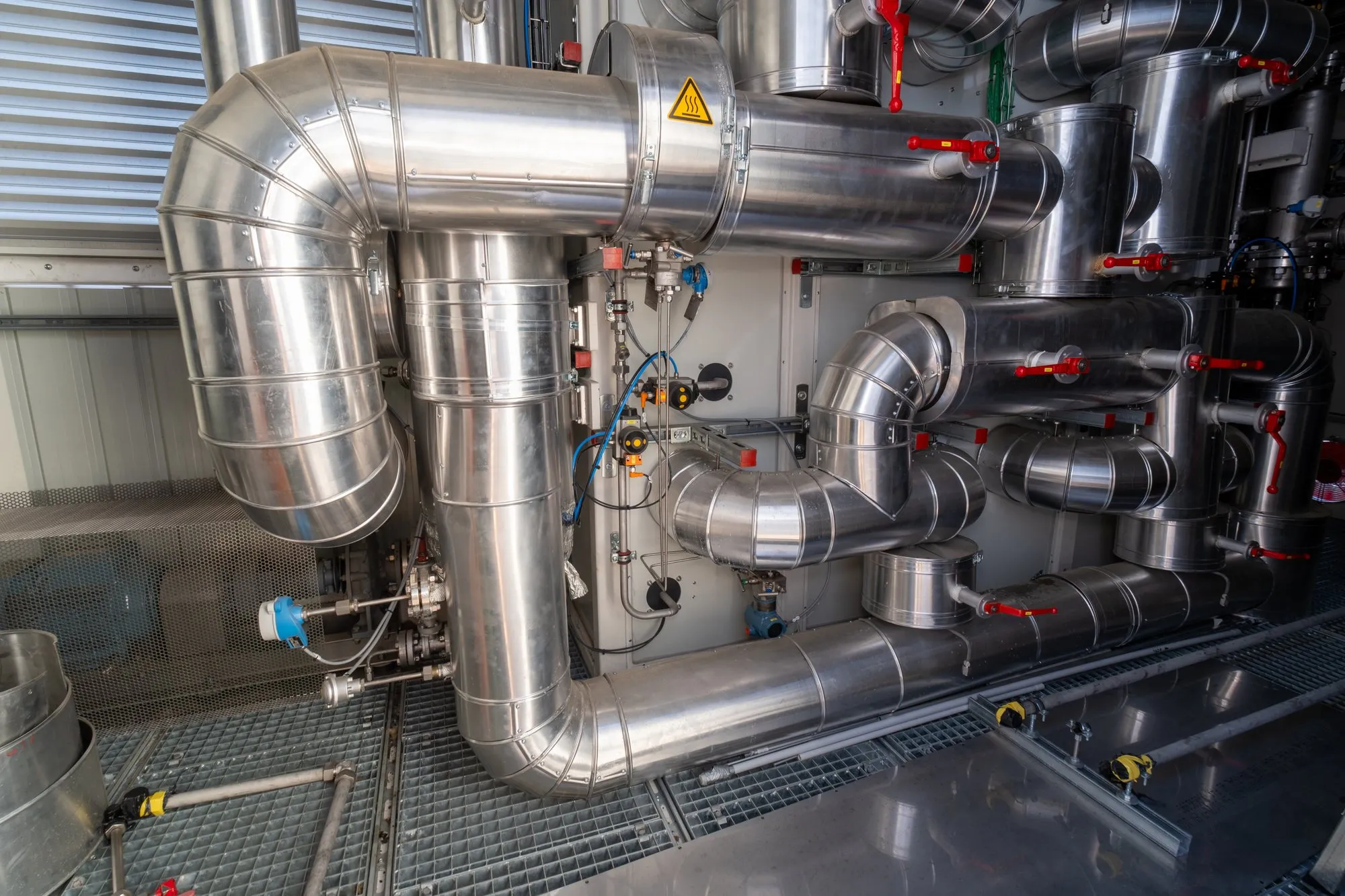
A thermal oil circuit, heat exchangers and a dry cooler remove the reaction heat and make it available for further use.
Automated plant operation, measurement and control technology, and safety-related monitoring of the key operating parameters.
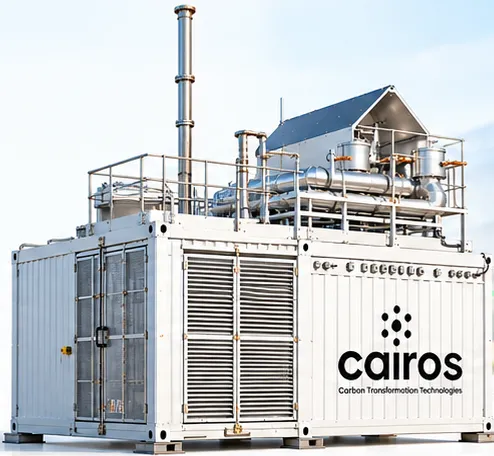
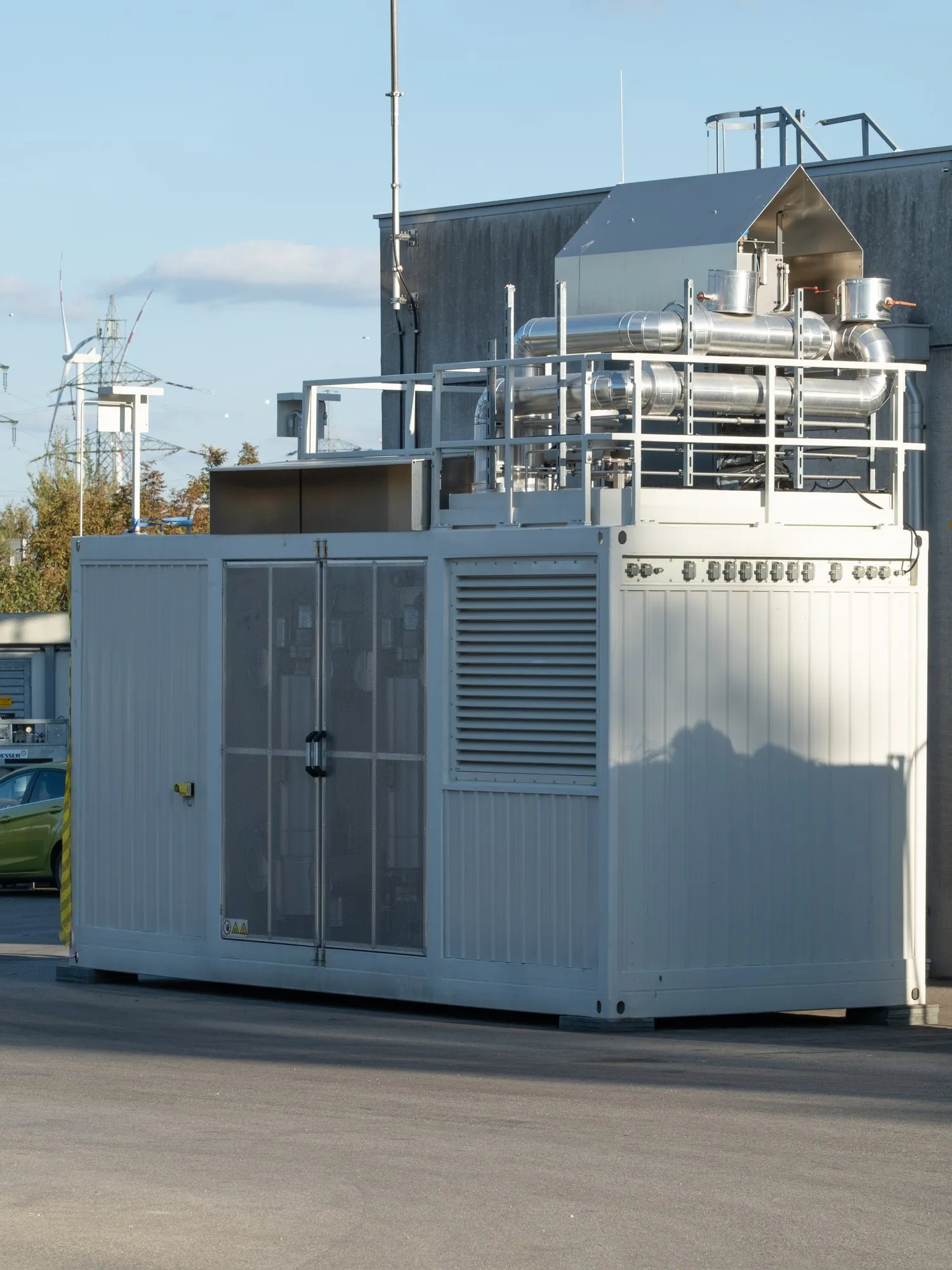
The process assemblies are housed in two 20-foot standard containers. Prefabrication makes transport, installation and maintenance easier.
Design values, calculated for one module producing 2 MW of renewable methane. Values at rated load, energy based on the lower heating value.
| Pyrolysis gasSolution 1 | Biogas, sewage gasSolution 2 | Captured CO₂Solution 2 | |
|---|---|---|---|
| Input gas | 764 Nm³/h599 kg/h2,482 kW | 199 Nm³/h242 kg/h1,189 kW | 196 Nm³/h385 kg/h |
| Hydrogen from electrolysis | not required | 325 Nm³/h29 kg/h972 kW | 799 Nm³/h72 kg/h2,391 kW |
| Renewable methane | 206 Nm³/h159 kg/h2,000 kW | 207 Nm³/h144 kg/h2,000 kW | 216 Nm³/h144 kg/h2,000 kW |
| CO₂ in off-gas | 225 Nm³/h441 kg/h | none | none |
| Water | – | 127 kg/h | 314 kg/h |
| Usable heat | 401 kW | 208 kW | 513 kW |
Calculated design values. So far, Solution 2 has been demonstrated at the 200 kW pilot plant. Nm³: normal cubic metres.
Our pilot plant in Bruck an der Leitha, Austria, showed that catalytic methanation also works in an industrial setting. There we produced renewable methane from biogas and additional hydrogen, an important step towards commercial deployment.
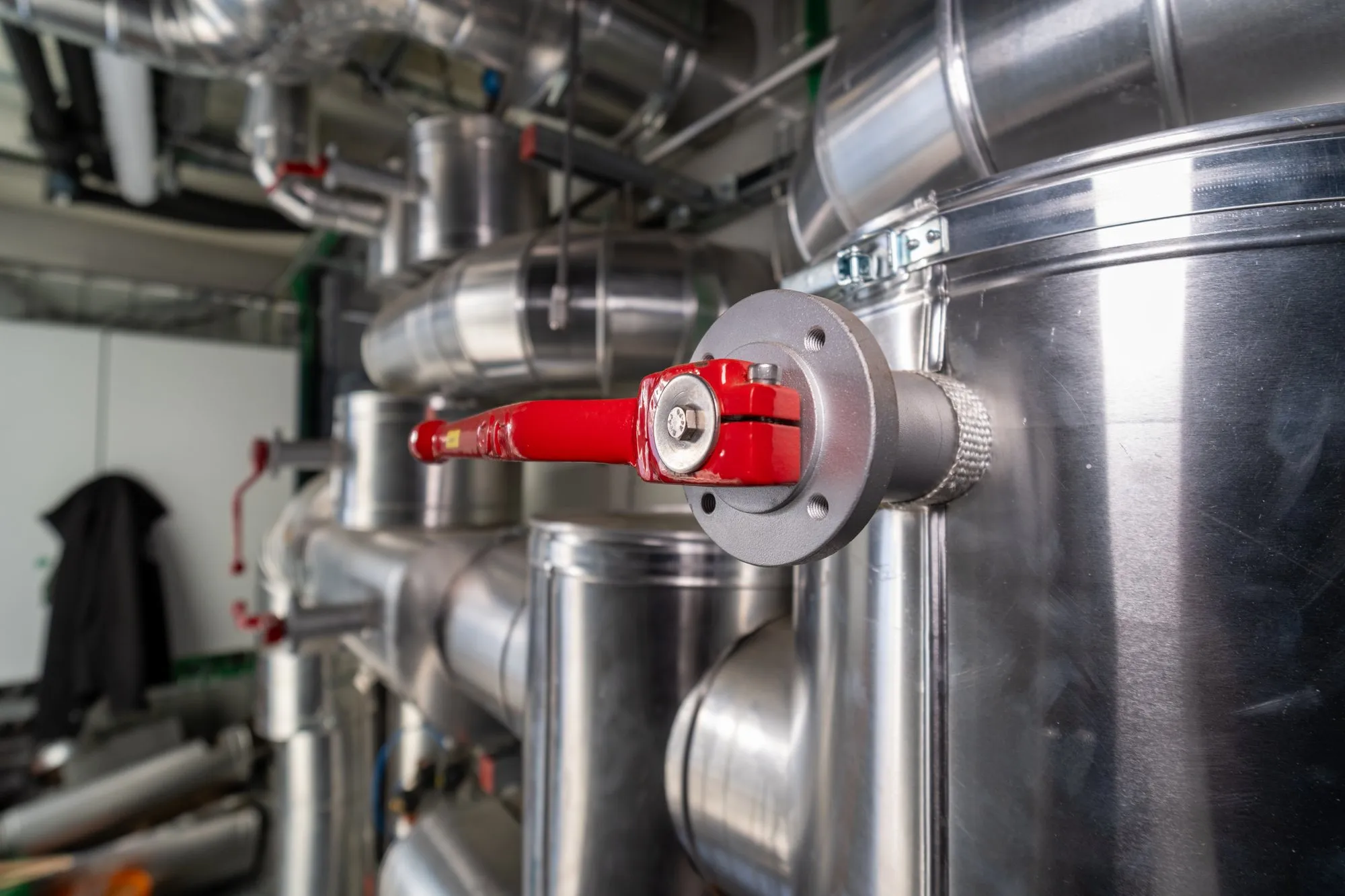
Three areas of expertise, one goal: bringing renewable methane from research into industrial use.
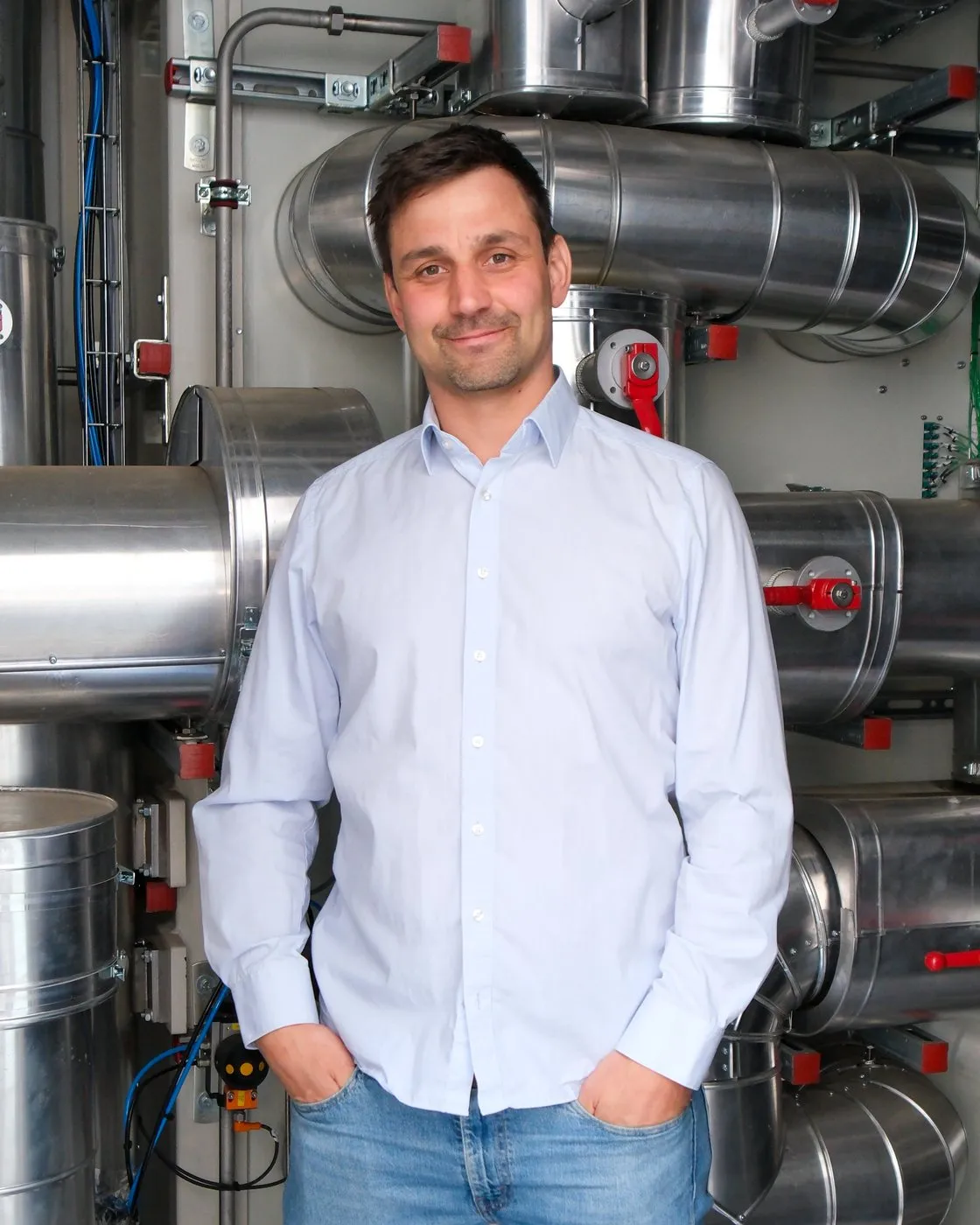
Corporate strategy and reactor development
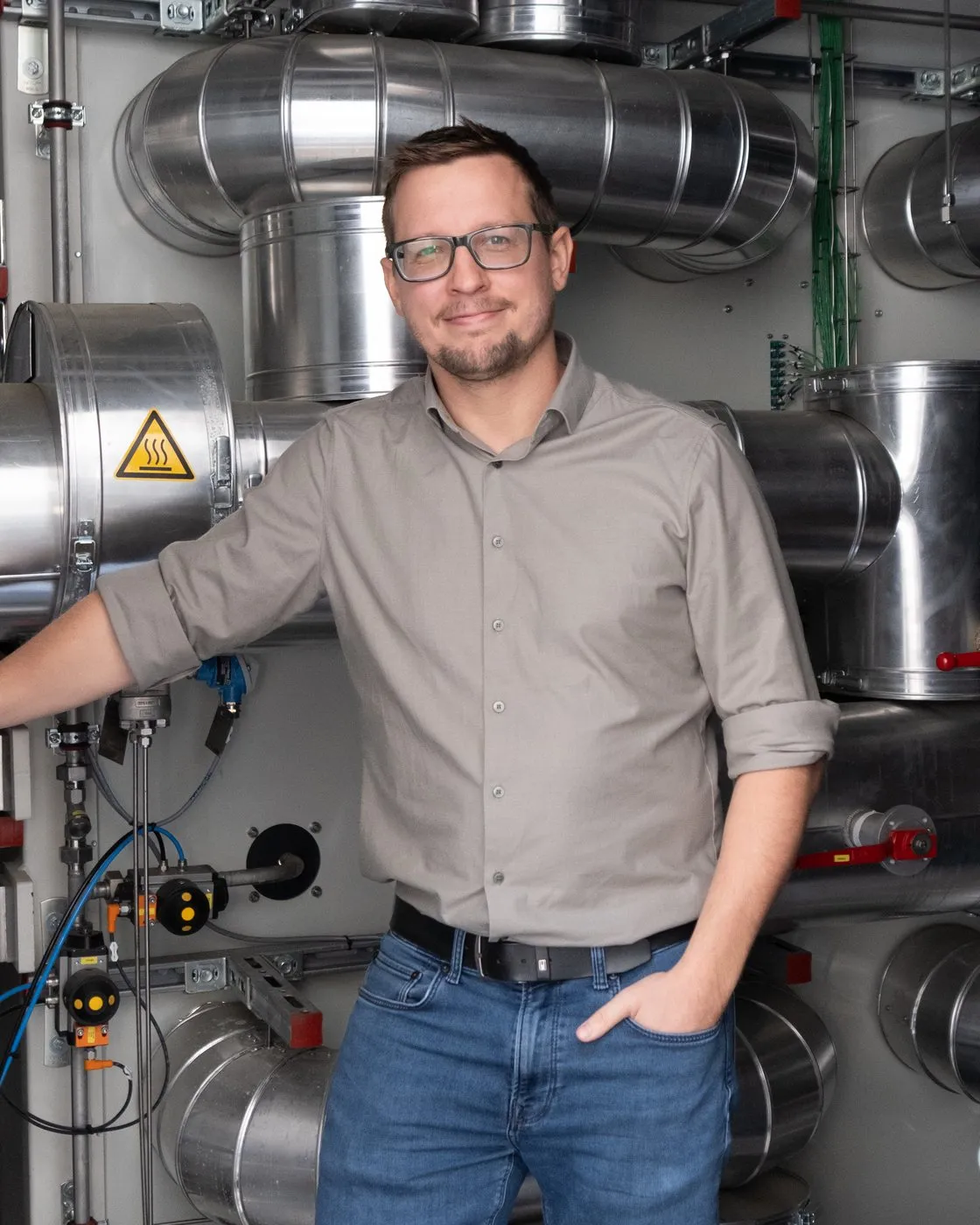
Plant construction & engineering
Business development & partnerships
We want to use the full potential of biomass and make an important contribution to a climate-neutral and independent energy supply: regional, economical and sustainable.
Talk to us